
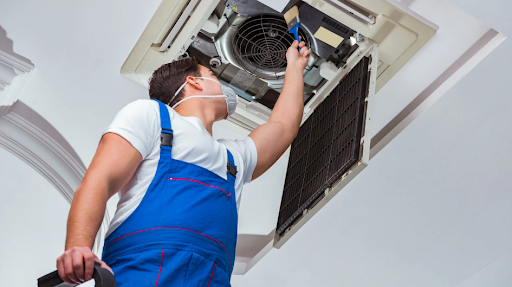
Keeping your home comfortably cool during the intense summer heat is essential for your family’s overall well-being. A reliable cooling system runs quietly in the background, but continuous mechanical wear and tear can suddenly compromise its performance. Recognizing early symptoms of equipment failure prevents minor operational issues from escalating into complete system breakdowns. For residents seeking professional air conditioner repair in Venice, addressing these mechanical problems quickly saves both time and money. Ignoring unusual noises or inconsistent temperatures only forces your unit to work harder. Here are the top signs that your cooling equipment requires immediate professional attention.
Auditory and Visual Indicators of Trouble
Sometimes, your cooling equipment will clearly broadcast that something is wrong. Paying attention to these sensory clues helps you catch mechanical failures before they permanently damage the unit.
1. Unusual and Loud Noises
Air conditioners should operate with a gentle, consistent hum that fades into the background. Grinding, squealing, or heavy rattling sounds indicate a severe mechanical malfunction. These noises point to loose parts, broken bearings, or failing belts. Ignoring these auditory warnings typically results in catastrophic motor failure.
2. Strange and Unpleasant Odors
The air circulating through your home should smell clean and fresh. A musty, damp smell often points to mold or mildew growing inside the ductwork or the internal coil system. Conversely, a sharp, burning odor signals a dangerous electrical issue or overheating motor wire that requires an expert technician immediately.
Performance and Efficiency Drops
When a system struggles to maintain the set climate, the internal components are likely failing. Monitoring daily performance changes helps identify underlying mechanical fatigue.
3. Weak Airflow from Vents
If you feel only a weak trickle of air coming from your ceiling or floor vents, the system is actively struggling to distribute climate-controlled air. This specific problem usually stems from a failing compressor, frozen evaporator coils, or severe blockages within the air ducts.
4. Warm Air Blowing Inside
Setting your thermostat to cool should yield immediate, refreshing results. When the system continually blows warm air instead, you likely have a severe refrigerant leak or a broken compressor. Knowing what to do in an emergency AC repair situation is crucial when this failure occurs during peak temperatures, as it affects safety.
5. Frequent and Rapid Cycling
It is perfectly normal for a cooling system to turn on and off periodically to maintain the set temperature. However, if it cycles on and off constantly, the system is short-cycling. This operational flaw indicates an improperly calibrated thermostat, severe airflow restriction, or a compressor issue.
Financial and Environmental Red Flags
Beyond physical performance, your monthly expenses and the immediate area around the unit provide crucial clues about system health.
6. Unexplained Spikes in Utility Bills
A sudden, drastic increase in your monthly energy costs means your system is losing its operational efficiency. When internal parts wear out, the equipment draws significantly more power to achieve the exact same level of cooling. Professional diagnostics pinpoint the failing component driving up electrical usage.
7. Excess Moisture and Active Leaks
While a minor amount of condensation is normal, active water pooling around your indoor equipment is a serious warning sign. Blocked condensate drain tubes or active refrigerant leaks cause this dangerous moisture buildup. Left unaddressed, this pooling water damages flooring and structural framing.
Conclusion
Maintaining a comfortable indoor climate requires vigilance and prompt action when equipment begins to falter. By paying close attention to unusual sounds, poor airflow, and unexpected energy costs, you protect your property from extensive water damage and severe mechanical failure. Addressing these subtle warnings early prevents minor component fatigue from developing into a complete system collapse. Relying on experienced technicians ensures that underlying mechanical problems are accurately diagnosed and resolved with high-quality replacement parts. Ultimately, proactive maintenance and timely professional intervention extend the lifespan of your cooling equipment, providing consistent and reliable comfort for years to come.