
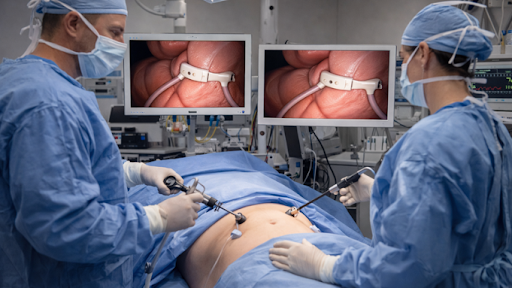
The decision to pursue a surgical solution for obesity is a significant clinical milestone for patients who have found traditional methods insufficient for long-term health. For many individuals residing in the northeast, seeking professional lap band surgery in NYC represents a strategic medical choice to manage chronic metabolic conditions. Unlike more invasive procedures that permanently alter the digestive anatomy, the gastric band is an adjustable and reversible tool that focuses on restriction. This medical intervention is often deemed necessary when excess weight begins to compromise vital organ systems or drastically reduces a person’s life expectancy. Understanding the specific clinical indicators for this procedure ensures that patients receive the appropriate level of professional care. Clinical necessity is determined by a rigorous evaluation of the patient’s physiological state and the presence of life-threatening comorbidities.
Clinical Criteria and BMI Thresholds
Medical necessity for a gastric band is primarily established through the Body Mass Index, alongside the presence of weight-related health issues. Generally, professionals consider the procedure necessary for individuals with a BMI of 40 or higher, or a BMI of 35 when accompanied by serious conditions such as type 2 diabetes or severe hypertension. These benchmarks are not arbitrary but are based on extensive clinical data showing that at these levels, the risks of remaining obese far outweigh the risks of surgical intervention. A professional surgical team will perform a comprehensive physical exam to confirm that these thresholds are met before proceeding.
Beyond the numbers, doctors also evaluate the patient’s history of medically supervised weight management. If a patient has consistently failed to achieve a healthy weight despite professional clinical guidance, the necessity for a physiological intervention becomes clearer. This structured approach ensures that the surgery is reserved for those who will benefit most from a restrictive medical device.
Management of Chronic Metabolic Conditions
One of the primary reasons a gastric band becomes medically necessary is the urgent need to reverse or control systemic diseases. Chronic obesity often leads to obstructive sleep apnea, which can cause severe cardiovascular strain and even sudden respiratory failure. By implementing a professional surgical plan, the pressure on the chest and neck is reduced, allowing for normal breathing patterns and improved oxygen saturation levels. For many, this procedure is the only clinical path to avoiding long-term dependence on breathing assistance machines.
In addition to respiratory benefits, the procedure is vital for managing joint degeneration and fatty liver disease. The clinical reduction of weight through a restrictive band alleviates the mechanical stress on the weight-bearing joints, often preventing the need for total joint replacements later in life. When considering these systemic improvements, many patients ask whether they are eligible for lap band surgery based on these specific medical needs, rather than just for aesthetic reasons. Seeking professional answers to these questions is the first step in a medically sound weight loss journey.
Professional Supervision and Long-Term Adjustability
The gastric band is unique because it requires a high degree of ongoing clinical management to remain effective. The necessity of the procedure is tied to the patient’s ability to attend regular follow-up appointments for band adjustments. These adjustments are performed by medical professionals who inject saline into a port under the skin to tighten or loosen the band. This professional oversight is crucial for preventing complications and ensuring that the patient achieves a steady and safe rate of weight loss over several years.
Conclusion
Determining when a gastric band is medically necessary involves a complex look at BMI, existing health conditions, and a patient’s history with professional weight management. It is a clinical tool designed to save lives and restore physical function when other medical paths have failed. By relying on professional surgical expertise and a structured postoperative plan, individuals can address the root causes of their health struggles. Choosing a medically supervised pathway is the most responsible way to achieve a healthier and more active lifestyle while ensuring long term safety and success.