
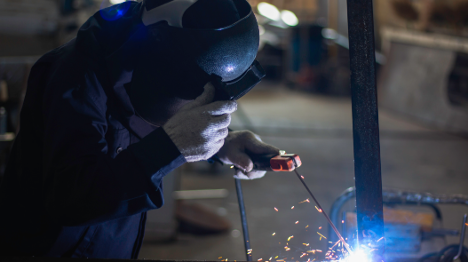
Managing air quality in industrial settings requires specialized equipment and comprehensive planning to keep dedicated workers safe. Installing a powerful welding smoke exhaust becomes absolutely essential for capturing dangerous airborne particulates efficiently, directly at the source. However, these massive extraction systems frequently generate substantial acoustic disturbances that disrupt daily operations across the floor. Controlling this excessive sound requires advanced engineering strategies and dedicated professional expertise to ensure a truly productive environment.
Evaluating Acoustic Challenges in Industrial Facilities
Heavy manufacturing environments naturally amplify mechanical sounds due to hard reflective surfaces and vast open production spaces. Unregulated sound levels create significant communication barriers among team members and significantly increase worker fatigue during extended production cycles. Understanding these dynamics is crucial.
Mitigating Motor and Fan Disruptions
The primary source of acoustic disruption typically originates from the massive fan motors pulling heavy contaminated air through the complex system. Professional engineers carefully calculate the exact aerodynamic requirements to select motors that operate incredibly efficiently without generating excessive decibels. They utilize specialized vibration isolation mounts to decouple the heavy machinery from the building structure directly and securely. This highly calculated approach prevents intense mechanical vibrations from traveling rapidly through the solid concrete floors and structural walls. Relying on seasoned experts guarantees that your heavy equipment operates smoothly and quietly throughout the entire facility without causing structural damage.
Implementing Advanced Sound Attenuation
Controlling airborne acoustic waves requires highly sophisticated structural modifications that only experienced contractors can execute properly. Standard extraction setups often act like massive amplifiers if left entirely untreated by dedicated acoustic design specialists.
Utilizing Strategic Duct Silencers
Professionals incorporate expertly engineered silencers directly into the main ductwork to absorb aggressive acoustic energy efficiently. These heavy internal baffles force the intense sound waves to travel through specialized dense materials that naturally dissipate the energy before it ever escapes into the general workspace. Expert technicians design these precise components carefully to avoid restricting the necessary airflow required for proper active ventilation. They understand exactly how to balance maximum sound reduction with optimal air transport velocities perfectly. Investing in comprehensive professional engineering eliminates the frustrating roar of heavy machinery entirely and protects your valuable workforce. Facility managers must constantly ask themselves whether welding fumes are toxic when designing their safety protocols and standard operating procedures. The definite answer requires immediate action through proper ventilation infrastructure and expert guidance.
Balancing Air Velocity and Acoustic Output
Moving massive volumes of heavy, contaminated air through narrow metal pathways naturally creates internal turbulence and resulting acoustic disruption. Proper structural planning remains absolutely vital for minimizing this specific type of daily operational disturbance.
Optimizing System Layouts for Quiet Operation
Sudden changes in duct diameter or sharp structural turns create significant air turbulence, dramatically increasing ambient sound levels. Dedicated professionals design the entire ventilation network with exceptionally smooth transitions and gradual structural bends to maintain perfectly steady air streams. They properly size every metal pipe to ensure air velocity always remains within the recommended quiet operational range. This meticulous attention to structural geometry prevents annoying whistling and rushing sounds from distracting your focused production team. Trusting specialized experts ensures complete operational harmony and maximum daily efficiency.
Conclusion
Securing a truly safe and completely comfortable manufacturing environment demands precise attention to every single operational detail. Excessive mechanical sound levels severely impact overall workplace productivity and daily employee comfort. Trusting seasoned professionals to design and install your heavy industrial equipment ensures exceptional daily performance without any frustrating acoustic complications. Thorough acoustic planning completely transforms your facility into a highly efficient and truly peaceful operational space. Embracing expert engineering solutions establishes a remarkably solid foundation for deeply sustainable commercial success over the coming years.